Article by: Viiktoria Babinska
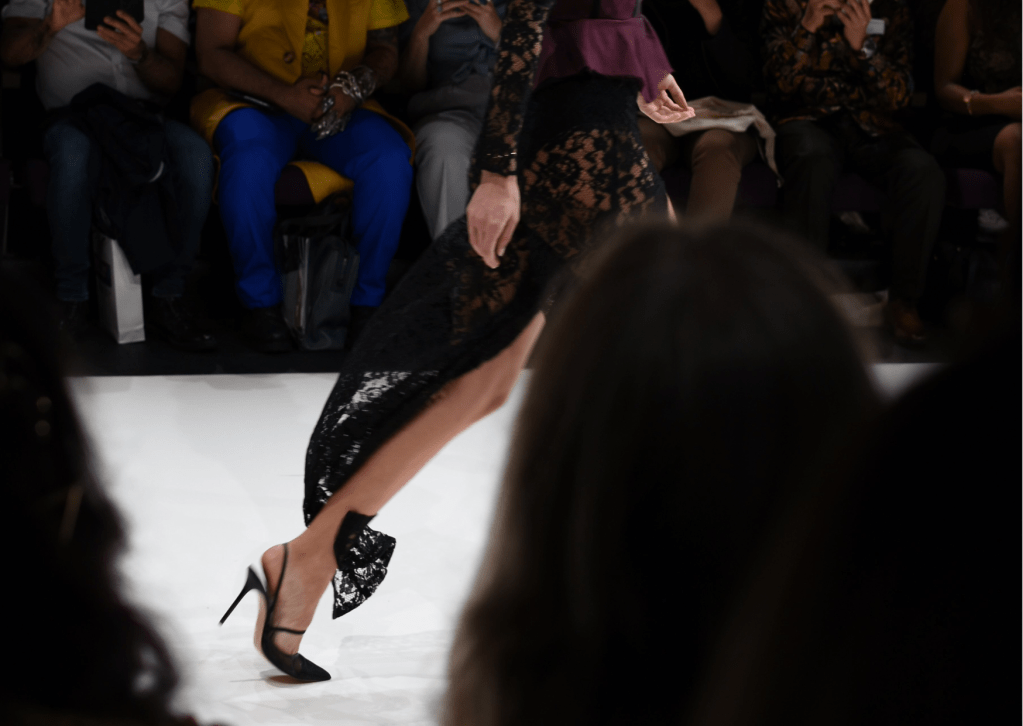
In modern world high heel shoes are commonly associated with financial and social status and are primarily worn by women. What if you were told that high heels were created by men, for men?
The feminine elegancy and thin lines of a present-day known high heel shoe went through decades long progression of its shapes, sizes, styles, and social meanings.

The evolution of the high-heeled shoe, whose history goes back over 2,000 years, originated in Early Greece around the 2nd century BC. Greek male actors often wore wooden, or cork platforms called “kothorni.” The height of the platform (usually between 8 – 10 cm) denoted the social status of the character played on stage.
Years later, Turkish women picked up the “high-heel” movement and implemented it into their culture. During The Ottoman Empire—starting from the 16th century—raised shoes, or “qabaqib” were used in Turkish bath houses to elevate women above the hammam’s heated floor. These shoes not only served as a very practical solution, they also highlighted the status of the person wearing them.
It was commonly believed that Turkish qabaqibs were the main source of inspiration for European fashion designers during the 15th , 16th , and 17th centuries. Europeans quickly picked up the trend and created their own high-platformed “chopines” that were worn by women. The original purpose of chopines was to protect clothing from street mud, however as the height of the platform began to get higher, the chopines (like in the case of the Ottomans) began symbolizing the social standing of the women. In both cultures, the higher the platform, the higher the wealth of the family. The maximum height of the chopines reached around 50 cm, making them practically impossible to walk with. At this point, the shoes were only used by wealthy people such as noble women and patrician families who required their maids to support them when walking.
The comfort of the high-platformed shoes rapidly became an issue and future shoe developments seemed to be geared toward comfortability. Most currently known Traditional Chinese shoes and clothing were re-developed during the rule of the Ching dynasty which began in 1644. Manchus-the leading group from the north of China—were against the ancient Chinese habit of foot binding. Instead, they implemented the “flower pot” shoe, providing women with extra height without binding their feet. Newly shaped shoes were also named & quot;horse-hoof-soles" due to their unique shape.
The rise in popularity for comfort and practicality in shoe design dates back to the
Victorian period in Great Britain. In 1837, Queen Victoria was introduced to the “Adeline boot” for the first time. With the new heeled boot design—now covering the ankles—women were able to protect their feet. This was helpful in instances of long dress crinolines lifting and exposing the pesky ankles. The British at the time believed that higher boots preserved women’s modesty.
The Adeline boot, with its much more feminine and sleek design, brought about the still popular stiletto heel. A French fashion designer Roger Vivier along with Christian Dior introduced the needlelike heel to the world of fashion in 1954. The new high-heeled shoe was instantly associated with Dior’s revolutionary “New Look” design from 1947, which in turn was inspired by the Victorian silhouette.
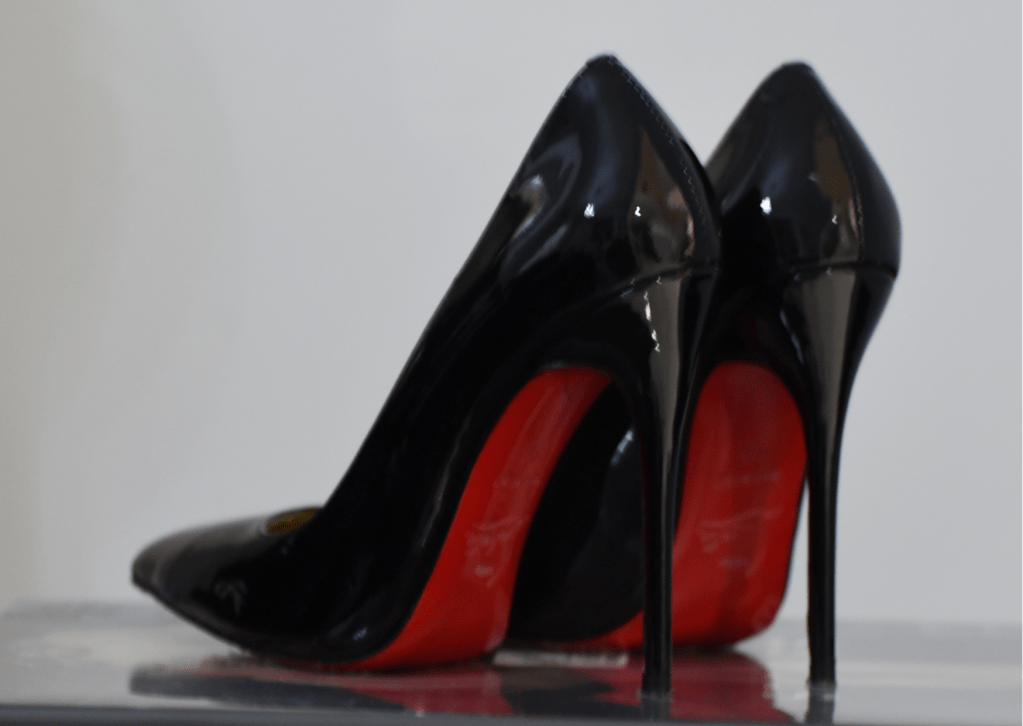
Height and shape were not the only topics of discussion regarding high heels throughout the history of fashion. A French designer Christian Louboutin emphasized the importance of sole color. Louboutin’s design was inspired by watching the showgirls at the famous Folies Bergère cabaret in Paris. The fashionista then traveled internationally, immersing himself into Indian and Egyptian cultures, eventually helping him to refine his own fashion taste and vision.
The blood red sole of high heeled shoes is a trademark of Louboutin, who in an interview with Footwear News, described the distinct color as “engaging, flirtatious, memorable, and the color of passion.” Up until today, Louboutin’s trademark allows other fashion companies to use a red sole in their designs, provided the rest of the shoe is red as well. Louboutin’s red-soled high heels became a signature element for the world of glamorous shoes, ensuring that the wearers belong to a prestigious group of social status and power.
Despite of the origin of high-heeled shoes, modern designs are strongly geared towards femininity. Recent studies also show that men are much more cautious of increasing their
height by artificial means such as heeled shoes. Today, high heels are unanimously treated as a tool of elegance, feminine power, and authority worldwide.
The Luxury District
The Luxury District Issue 02 will showcase Italian Fashion and Art. A timeless fusion of beauty and elegance, with Salvatore Ferragamo, Giorgio Armani, and Gucci.
Get in Touch
Icetime Luxe, 2000 Coastal Grand Circle, Ste 170 Myrtle Beach, SC, 29577
.
843-445-1644
SabinaChanna@icetimeluxe.com
 The Luxury District